+92 3218447030
aqua.hygienic@gmail.com
Industrial water systems can develop scale, corrosion, membrane fouling, biological growth and deposits when water chemistry is not properly controlled. The right treatment program helps manage these problems while supporting reliable operation of RO plants, boilers, cooling towers and other process-water systems.
Aqua Hygienic supplies water treatment chemicals for industrial and commercial applications across Pakistan. Our range includes chemicals for scale and corrosion control, microbiological treatment, pH adjustment, RO membrane protection and cleaning, boiler-water treatment and other water-treatment requirements.
Chemical selection should be based on the water source, system design, operating conditions and the specific problem being treated. Contact our team to discuss your water-treatment requirements and suitable options.
Water chemistry requirements vary from one system to another. A reverse osmosis membrane, steam boiler and cooling-water circuit do not face exactly the same operating conditions or treatment requirements.
Aqua Hygienic provides industrial water treatment chemicals for applications where control of mineral deposits, corrosion, biological activity and unwanted contaminants is important to system operation.
Our chemical range supports applications including:
The appropriate chemical and dosing approach depends on factors such as raw-water chemistry, operating temperature, concentration levels, system materials and treatment objectives.
Minerals present in feed water can become concentrated inside a reverse osmosis system and form deposits on membrane surfaces. These deposits can restrict water flow and interfere with membrane performance.
RO antiscalants are used to help control mineral-scale formation before it develops on the membrane surface. Selecting an antiscalant should take into account feed-water analysis, membrane operating conditions and the type of scaling risk present in the system.
Membranes can accumulate mineral deposits, organic matter and other foulants during operation. When cleaning is required, suitable membrane-cleaning chemicals can be used as part of a Cleaning-in-Place (CIP) procedure.
Aqua Hygienic’s existing range includes acid and alkaline cleaners intended for membrane-cleaning applications. The appropriate cleaning chemistry depends on the nature of the deposit or foulant.
Sodium metabisulfite can be used in water-treatment applications as a reducing and dechlorinating agent.
In RO pretreatment, it can help remove residual oxidizing chlorine before the water reaches chlorine-sensitive membrane elements. Actual dosing requirements should be determined according to feed-water conditions and the treatment system.
Boiler-water chemistry requires careful control because dissolved oxygen, scale-forming minerals and other contaminants can contribute to corrosion, deposits and operational problems.
Aqua Hygienic’s boiler-treatment range includes:
An oxygen scavenger is used to help control dissolved oxygen in boiler feedwater, while sludge-conditioning chemicals help keep precipitated solids manageable for removal through blowdown. Condensate treatment may also be used where corrosion protection is required within condensate-return systems.
Cooling towers and recirculating cooling-water systems can be affected by scale, corrosion, suspended deposits and microbiological growth.
A suitable cooling-water treatment program may use scale and corrosion inhibitors, biocides and other conditioning chemicals depending on the system and circulating-water chemistry.
Because cooling-water conditions change with makeup-water quality, cycles of concentration, temperature and operating environment, treatment should be selected for the actual system rather than relying on a single chemical for every application.
Microorganisms can develop in water systems and contribute to slime, biofilm and microbiological fouling.
Depending on the application, oxidizing or non-oxidizing biocides may be used as part of a microbiological-control program. Chemical selection, concentration and dosing frequency should be determined according to system conditions and the intended application.
pH affects corrosion, scaling potential and the performance of several water-treatment processes.
Aqua Hygienic supplies chemicals used for pH adjustment, including acidic treatment options for applicable industrial systems. The required product and dosage depend on raw-water chemistry and the target operating range.
Scale and other deposits can accumulate on equipment exposed to process water and heat-transfer conditions.
Industrial cleaning and descaling chemicals are used to remove suitable deposits from equipment such as heat-transfer surfaces and water-system components. Before chemical cleaning, the deposit type and equipment materials should be considered to avoid using an unsuitable cleaning chemistry.
Ion exchange resins are used in water-conditioning and demineralization processes to exchange selected dissolved ions in water.
Aqua Hygienic supplies cation and anion exchange resins for applicable water-treatment systems. Resin selection depends on the treatment objective, influent-water chemistry and system configuration.
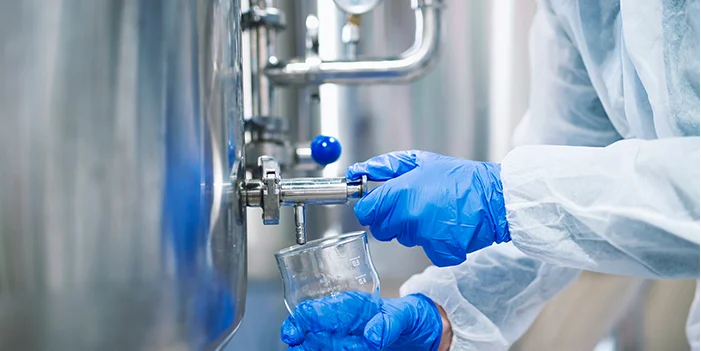
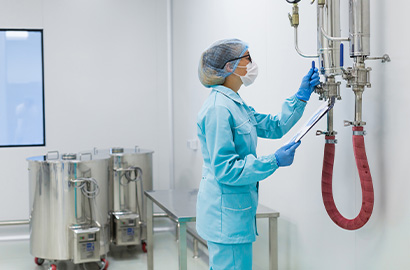
Industrial water problems rarely have a single cause. Raw-water composition, operating temperature, concentration, equipment design and system maintenance can all influence water chemistry.
A properly selected treatment program can help manage:
Scale Formation
Calcium, magnesium and other scale-forming constituents can deposit on membranes and heat-transfer surfaces under suitable conditions. Scale-control chemistry is used to reduce this risk.
Corrosion
Dissolved gases, unsuitable pH and other water conditions can contribute to corrosion of metallic surfaces. Treatment programs may therefore include oxygen control, pH management and corrosion inhibitors where appropriate.
Membrane Fouling
RO membranes may become affected by scale, organic material, suspended contaminants or biological growth. Pretreatment, antiscalant dosing and appropriate membrane cleaning can help manage these issues.
Microbiological Growth
Cooling and process-water systems can provide conditions for bacterial and other biological growth. Biocides may be incorporated into the treatment program where microbiological control is required.
Deposits and Sludge
Suspended and precipitated solids can accumulate within water systems. Chemical conditioning and appropriate system operation can help keep these contaminants manageable.
Reverse osmosis performance depends not only on the membrane itself but also on feed-water quality and pretreatment.
Depending on the water analysis and operating conditions, an RO chemical-treatment program may involve:
Chemical selection should match the feed-water chemistry and membrane-system requirements. Using an unsuitable chemical or incorrect dosing level can create additional operational problems rather than solving the original issue.
For businesses that also require a complete high-capacity purification system, Aqua Hygienic provides Industrial RO Plants for different industrial water-treatment requirements.
Boilers operate under elevated temperature and concentration conditions, making water chemistry particularly important.
A boiler-water treatment program may address dissolved oxygen, mineral deposition, sludge formation, pH and condensate-system corrosion. The exact combination depends on feed-water quality, boiler operating conditions and the design of the steam and condensate system.
Rather than selecting chemicals only by product name, industrial operators should consider the complete boiler-water condition and treatment objective.
Cooling towers continuously interact with water, air, heat and the surrounding environment. Evaporation can increase the concentration of dissolved minerals, while warm circulating water can create conditions where deposits and biological growth become operational concerns.
Treatment may therefore involve:
The appropriate treatment program should reflect the makeup-water quality and actual cooling-system operating conditions.
Water treatment chemicals are used wherever water quality can affect equipment, utilities or industrial processes.
Relevant applications include:
Each industry may have different water-quality and process requirements, so chemical selection should be based on the application rather than industry name alone.
Choosing a treatment chemical starts with understanding the system and the water being treated.
Important factors include:
A water analysis and review of operating conditions can provide a better basis for chemical selection than choosing a product solely from a generic description.
Aqua Hygienic provides water-treatment and water purification solutions for domestic, commercial and industrial applications in Pakistan.
For industrial customers, the water-treatment chemical range complements Aqua Hygienic’s wider services, including industrial RO plants, filtration systems and after-sales parts and services.
Whether the requirement involves an RO membrane, boiler-water circuit, cooling system or another industrial water application, the first step is to identify the water condition and treatment objective.
Discuss your application, raw-water quality and system requirements with Aqua Hygienic to explore suitable treatment options.
Scale, corrosion, fouling and microbiological problems require treatment that matches the water system rather than a one-size-fits-all chemical.
Contact Aqua Hygienic to discuss your raw-water quality, system application and treatment requirements and explore suitable water treatment chemical options.
Water treatment chemicals are substances used to control or modify water chemistry for a specific treatment objective. Depending on the system, they may be used to manage scale, corrosion, biological growth, pH, membrane fouling or deposits.
RO systems may use antiscalants, dechlorinating agents such as sodium metabisulfite, pH-adjustment chemicals, biocides and membrane cleaners. The required combination depends on feed-water chemistry and the membrane system.
Boiler treatment may involve oxygen scavengers, scale-control chemicals, sludge conditioners, pH-control chemicals and condensate treatment. The exact program depends on feed-water quality and boiler operating conditions.
Cooling-tower chemicals can help control scale, corrosion, deposits and microbiological growth in circulating-water systems. The treatment program should be selected according to makeup-water chemistry and operating conditions.
Start by identifying your water system, raw-water condition and the problem you need to address. Water analysis and operating information can then be used to determine which treatment approach is appropriate.
WhatsApp us