- For any information contact us at
- 0321 8447030
- aqua.hygienic@gmail.com

RO Plant Price in Pakistan 2026
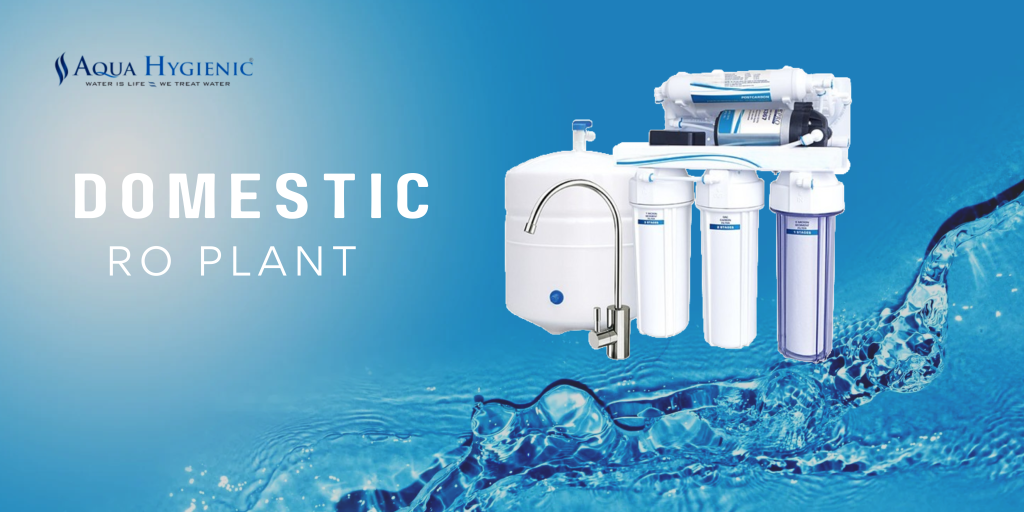
In Pakistan, clean water is no longer something we can assume. Whether you live in a big city or a smaller town, water quality issues are everywhere. High TDS, chemical contamination, bacteria, and poor taste have become normal problems. Because of this reality, more people than ever are searching for RO plant price in Pakistan as we move into 2026.
However, the problem is not availability. The real problem is confusion.
Prices vary widely. Sellers use technical terms without explanation.
Some systems are sold cheaply but fail early. Others are overpriced without real value. As a result, buyers often feel stuck between budget and quality.
This guide clears that confusion.
Here, you will find real market pricing, practical explanations, and honest advice. More importantly, you will understand why prices differ and which RO plant actually makes sense for your needs in Pakistan.
Why RO Plants Are No Longer Optional in Pakistan
Water sources across Pakistan share a common issue. Most are contaminated in some way.
Bore water usually has high TDS and salt content. Tanker water quality changes every time. Municipal supply often looks clean but still carries bacteria and chemicals.
An RO plant solves this problem at the source.
Reverse Osmosis technology forces water through a semi-permeable membrane that removes dissolved salts, heavy metals, bacteria, and chemical contaminants. This process delivers consistent and safe drinking water, even when the input water quality is poor.
Because of their reliability, RO plants are now used in homes and offices. They are also found in mosques, schools, restaurants, clinics, factories, and water supply businesses.
RO Plant Price in Pakistan 2026 – Real Market Overview
RO plant prices in Pakistan do not follow a single fixed rate. Instead, prices depend on capacity, technology, component quality, and intended usage.
To understand pricing properly, you must first separate domestic, commercial, and industrial systems.
Domestic RO Plant Prices in Pakistan
Domestic RO plants are designed for home use. These systems focus on drinking and cooking water, not bulk supply.
In 2026, entry-level domestic filtration systems start at very low prices. Basic units and compact RO setups range from PKR 6,500 to PKR 25,000. These systems usually have fewer stages and lower output. They work for households with relatively low TDS water.
Mid-range domestic RO plants are far more common in Pakistan. These systems often include 9 to 11 filtration stages, with RO membranes, UV sterilization, and mineral cartridges. Prices for these units usually range from PKR 26,000 to PKR 50,000. For most urban homes, this range offers the best balance between price and performance.
For larger households or shared living spaces, mini commercial RO plants are often used. These systems typically produce around 1000 gallons per day. In the Pakistani market, their prices range from PKR 60,000 to PKR 90,000. Although more expensive than domestic units, they provide higher output and better durability.
Commercial RO Plant Price in Pakistan
Commercial RO plants serve areas with continuous, higher-than-household water demand. Offices, mosques, schools, restaurants, clinics, and small businesses fall into this category.
Commercial RO plant prices in Pakistan vary mainly based on output capacity. A common point of confusion is the difference between 1000 liters per day and 1000 liters per hour. The difference in price is massive.
A commercial RO plant producing around 1000 liters per day is still considered a light commercial or mini system. These usually cost between PKR 60,000 and PKR 120,000, depending on build quality.
On the other hand, a commercial RO filtration plant producing 1000 liters per hour is a completely different system. These plants use industrial-grade pumps, stronger membranes, and heavy-duty frames. In 2026, the 1000-liter RO plant price in Pakistan typically ranges from PKR 450,000 to PKR 800,000. Automation, stainless steel frames, and branded membranes push prices higher.
Larger commercial setups producing 3,000 to 6,000 GPD can easily exceed PKR 1,000,000.
Industrial RO Plant Prices in Pakistan
Industrial RO plants are designed for factories, bottling plants, pharmaceutical units, and manufacturing facilities. These systems operate continuously and must handle extremely poor water quality.
In Pakistan, industrial RO plant prices usually start around PKR 2.5 million for basic setups. With automation, PLC panels, and higher capacities, prices can exceed PKR 6 million.
These systems are not just about water purification. They protect machinery, ensure product quality, and reduce long-term operational risk.
Why RO Plant Prices Vary So Much
Many buyers believe price differences exist only because of brand names. In reality, several technical and practical factors affect cost.
Capacity is the most obvious factor. A system that produces 1000 liters per hour requires stronger pumps, larger membranes, and heavier frames than a daily-use system.
Technology also plays a key role. RO systems cost more because they reduce TDS. UF and UV systems are cheaper but cannot remove dissolved salts. Hybrid systems that combine RO, UV, and mineral dosing naturally cost more.
Component quality makes a long-term difference. Systems built with stainless steel frames, branded membranes, and reliable pumps last longer and run more efficiently. Cheaper components reduce initial cost but increase maintenance expenses.
Automation also adds to the price. Features like auto-flush, online TDS meters, pressure switches, and PLC panels improve reliability and reduce human error.
Which RO Plant Is Right for You?
Choosing the right RO plant is not about buying the biggest or cheapest system. It is about matching capacity to your actual usage.
If you only need drinking water for a family, a domestic RO plant is enough. If you serve dozens or hundreds of people daily, a commercial RO plant makes sense. If water quality directly affects your production or equipment, an industrial RO plant becomes necessary.
Choosing correctly saves money, avoids breakdowns, and ensures consistent water quality.
Operating and Maintenance Costs in Pakistan
Many buyers focus only on the purchase price. This is a mistake.
RO plants require filter replacements, membrane servicing, and electricity for pumps. When maintained properly, a good system can run efficiently for eight to ten years.
Cheaper systems often appear attractive initially. However, frequent breakdowns, poor filtration, and the unavailability of spare parts increase long-term costs.
Regular maintenance is not optional. It is part of owning an RO plant.
Is Buying an RO Plant Worth It in 2026?
In Pakistan, the answer is yes for most situations.
Households reduce dependence on bottled water. Offices and mosques ensure an uninterrupted supply. Businesses maintain hygiene and compliance. Most importantly, users gain control over water quality in an environment where clean water is no longer guaranteed.
How to Choose the Right RO Plant Supplier in Pakistan
Always look beyond price.
A reliable supplier will test your water, recommend the correct capacity, use genuine components, and provide after-sales support. The availability of spare parts and the speed of service response matter far more than a small price difference.
In the long run, good service saves money.
Final Takeaway
The RO plant price in Pakistan in 2026 depends on far more than capacity alone. Technology, build quality, automation, and supplier reliability all play a role.
Instead of chasing the cheapest option, invest in the right system for your water conditions and usage. When selected correctly, an RO plant becomes a long-term solution rather than a recurring problem.
Frequently Asked Questions
What is the starting RO plant price in Pakistan?
Basic domestic systems start from around PKR 6,500, while advanced RO plants cost significantly more.
Does every RO plant reduce TDS?
Only RO systems reduce TDS. UF and UV systems do not.
Which RO plant is best for offices or mosques?
A commercial RO plant with 500 to 1000 LPH capacity works best.
How long does an RO plant last?
With proper maintenance, a quality system lasts eight to ten years.
Is RO water safe for daily use?
Yes. When installed and maintained correctly, RO water is safe for daily drinking.