- For any information contact us at
- 0321 8447030
- aqua.hygienic@gmail.com

Common Mistakes People Make When Buying a Water Filter Plant in Pakistan
Buying a water filter plant in Pakistan often feels simple at first. You compare prices, talk to a few sellers, and choose the system that looks affordable.
However, months later, many buyers regret that decision. The system breaks down. Water quality does not improve. Maintenance costs rise. Eventually, the plant becomes a problem instead of a solution.
This happens because most buyers make the same avoidable mistakes. They rely on assumptions, marketing claims, or price tags rather than understanding their actual water needs. In this guide, we will go over the common mistakes people make when buying a water filter plant in Pakistan. More importantly, we will show you how to avoid these mistakes.
Why Most Water Filter Plant Buyers Regret Their First Purchase
In Pakistan, water quality varies dramatically from city to city and even street to street. Bore water, tanker water, and municipal supply all behave differently. Yet many buyers purchase a water filter plant without understanding what they are actually dealing with.
As a result, they face repeated issues. The water still smells bad. TDS remains high.
Filters clog too quickly. Pumps fail under pressure. In some cases, the plant stops working within a year.
These problems are not bad luck. They are the result of poor buying decisions made at the start.
Let’s break them down clearly.
Mistake #1: Not Testing Water Before Buying
This is the most serious—and also the most common—mistake.
Many buyers assume that all water problems are the same. They believe installing any RO or filtration system will solve everything. In reality, water quality factors such as TDS, hardness, iron, bacteria, and turbidity determine which type of plant you need.
For example, if your water has low TDS but high bacterial contamination, an RO plant may be unnecessary. On the other hand, if TDS is extremely high, a simple UV or cartridge-based system will fail quickly. When buyers skip water testing, they often choose the wrong technology. This leads to membrane damage, poor filtration, and wasted money.
A simple water test before purchase can save years of frustration.
Mistake #2: Confusing Domestic and Commercial Plants
Another major mistake is treating domestic RO systems and commercial water filter plants as interchangeable.
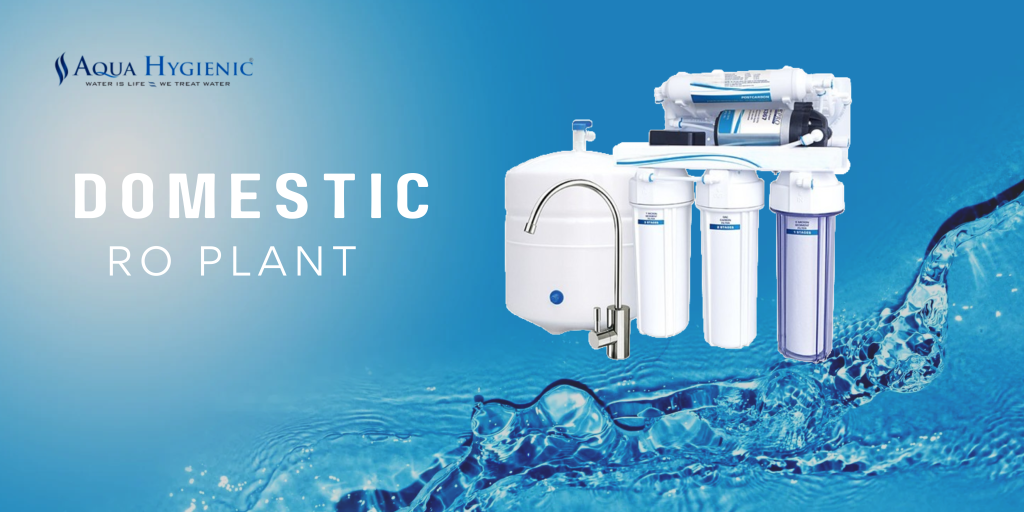
Domestic RO plants are designed for limited daily usage. They work well for homes and small families. However, many buyers install domestic systems in offices, mosques, schools, or small businesses.
Initially, the system runs fine. Over time, continuous usage overloads the pump and membranes.
Commercial plants exist for a reason. They use stronger frames, higher-capacity pumps, and industrial-grade membranes. If your usage goes beyond household needs, a domestic system will eventually fail.
Mistake #3: Choosing Price Over Quality
Price comparison is natural. However, focusing solely on the cheapest option often results in higher long-term costs.
Low-priced water filter plants usually cut corners. Frames are thin and rust quickly.
Pumps are underpowered. Membranes are unbranded or low-grade. While the initial cost looks attractive, these systems require frequent repairs and replacements.
In Pakistan’s harsh water conditions, quality components matter more than brand names. A slightly higher upfront investment often delivers smoother operation, longer lifespan, and lower maintenance costs.
Mistake #4: Buying the Wrong Capacity
Capacity confusion causes serious performance issues.
Many buyers do not understand the difference between liters per day (LPD) and liters per hour (LPH). A system advertised as “1000 liters” may produce 1000 liters per day, not per hour. When buyers expect higher output, they feel cheated—even though the system works exactly as specified.
Underestimating capacity results in water shortages. Overestimating leads to unnecessary electricity and maintenance costs. Capacity selection should always match real daily usage, not assumptions.
Mistake #5: Ignoring After-Sales Support
Water filter plants are not “install and forget” machines. They require periodic servicing, filter replacement, and technical inspection.
Many buyers focus only on the purchase price and ignore after-sales support. Later, when filters clog or membranes fail, spare parts are unavailable. Technicians do not respond. The supplier disappears.
Reliable after-sales support is more valuable than a discount. Availability of parts, response time, and service knowledge determine how smoothly your plant operates over the years.
Water Filtration Plant
Mistake #6: Falling for Marketing Claims
Marketing language often creates unrealistic expectations.
Phrases like “zero maintenance,” “no electricity,” or “guaranteed pure water” sound attractive. In reality, every filtration system requires maintenance. No system can handle all types of water without proper configuration.
Another common source of confusion is “imported” versus “local” systems. Imported components are not automatically better. What matters is compatibility with local water conditions and availability of parts.
Smart buyers look beyond slogans and ask technical questions.
How to Buy a Water Filter Plant the Right Way in Pakistan
Buying the right system does not require technical expertise. It requires logic and preparation.
Start with a water test. Then, realistically calculate daily water usage.
Identify whether your need is domestic or commercial.
Compare suppliers based on transparency, not promises. Always ask for written specifications and component details.
This step-by-step approach protects you from regret and ensures long-term satisfaction.
Final Advice for First-Time Buyers
Buying a water filter plants in Pakistan is a long-term decision. Mistakes made at the start often turn into recurring problems. Instead of rushing, invest time in understanding your water, your usage, and your supplier.
A well-selected system will deliver clean water, reliable performance, and peace of mind for years. A poorly chosen one will drain money and patience. Choose wisely—and let knowledge guide your purchase, not marketing noise.
Frequently Asked Questions
It depends on your water source. High TDS areas require RO systems, while low TDS but contaminated water may only need UV or UF filtration.
No. RO is essential only when TDS is high. Using RO unnecessarily increases cost and water wastage.
Maintenance depends on usage and water quality. Regular filter changes and periodic servicing keep systems running efficiently for years.